Back pain is common across Croydon, whether you spend your days commuting from East Croydon station, lifting little ones in a South Croydon townhouse, or climbing ladders on site in Purley. Most acute episodes settle, often faster than people fear. The hard part is judging when to let time and sensible self care do its work and when to act early with targeted help from a registered osteopath. Make the right call, and you shorten recovery, protect your confidence to move, and reduce the risk of the same pain coming back when you least expect it.
The question I hear most as a local osteopath is simple: how bad is bad, and how long should you wait? The answer depends on the pattern of your pain, what you need to do with your back in daily life, and a few clinical signposts that demand urgent attention. The rest of this guide sets out what I would tell a neighbour in South Croydon who calls for advice after a sudden back spasm on a Saturday morning.
What counts as acute back pain, and what it usually means
Acute back pain is pain that starts suddenly and lasts less than six weeks. The episode often follows something ordinary: reaching into walk-in osteopathy clinic the car, twisting to load the washing machine, a sharp bend during five-a-side in Wandle Park. Sometimes there is no obvious trigger. Your back is a complex system of joints, discs, ligaments, muscles, and nerves, all richly supplied with sensors. Irritation in one area can spark a protective response in many others. Guarding is normal, stiffening is common, and fear of movement ramps up pain more than people expect.
In clinic we separate common mechanical pain from rarer but serious causes. Mechanical pain covers most cases. It includes:
- Facet joint irritation, often with sharp pain on bending back or twisting. Disc-related pain, which can be local or refer into a buttock or thigh, sometimes with sciatica when the nerve root is involved. Muscle or ligament strain, the classic pulled sensation after a sudden effort. Sacroiliac joint strain, particularly after a long car journey or awkward lift.
The nervous system matters here. Pain can be nociceptive, coming from irritated tissues, or neuropathic, coming from nerve irritation such as sciatica. Many people have a mix. How you move, how well you sleep, and how worried you feel all feed into your experience. Good care respects all of these layers.
When to wait, and when to book with an osteopath near Croydon
If the pain is manageable and beginning to settle over the first 48 to 72 hours with simple self care, it is reasonable to monitor at home. Gentle movement, short walks between rests, a hot water bottle in the evening, and common sense with lifting go a long way. If you are stiff in the morning and gradually loosen through the day, that is a typical pattern.
There are sensible reasons to book early with an osteopath, even inside the first few days. You should consider contacting a Croydon osteopath promptly if you are unable to sleep because of pain, cannot sit long enough to drive or take the tram, feel your back is “locking” when you try to stand, or need tailored guidance to stay at work safely. A short, focused course of osteopathic treatment can reduce guarding, improve confidence, and help you move in ways that calm the irritated tissues rather than keep poking them.
As a rule of thumb, if after the first three to five days you are no better, or function is getting worse, a hands-on assessment helps. If the pain shoots down the leg, numbness or weakness is present, or if coughing and sneezing make lightning strike down one side, do not wait a week. Book with a registered osteopath in Croydon who sees acute backs regularly, or arrange an assessment with your GP if you prefer. The earlier we map the pain, the simpler the recovery plan.
The red flags you should never ignore
Most acute back pain is not dangerous. A few patterns need medical assessment without delay. If any of the following are present, seek urgent help from NHS 111, your GP, or A&E depending on severity.
- Changes to bladder or bowel control, numbness in the saddle area, or rapidly worsening leg weakness. Significant trauma, or even a minor fall if you have osteoporosis, are on long-term steroids, or are older. Fever, severe night pain that does not change with position, unexplained weight loss, history of cancer, or intravenous drug use. Severe, new, unremitting pain in your upper back or between the shoulder blades, especially with chest pain or breathlessness. Back pain in pregnancy with calf swelling, breathlessness, or neurological symptoms, or any back pain with systemic illness or feeling acutely unwell.
Any reputable osteopathy clinic in Croydon will screen for these during your call or first visit and direct you to urgent care when appropriate. Safety comes first. Good clinicians have relationships with local GPs and can write concise letters to speed onward referrals.
What a registered Croydon osteopath does in an acute episode
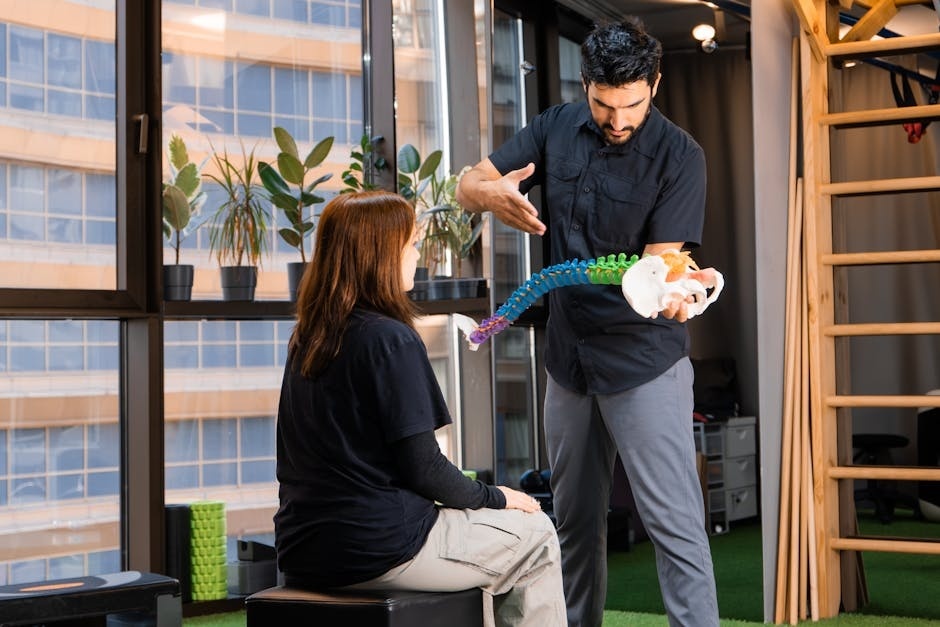
A first appointment has three parts: history, examination, and an initial treatment or guidance session. Expect a conversation that covers the exact onset, what movements help or worsen symptoms, your work demands, leisure activities, previous episodes, general health, and goals. I want to know whether you have to climb scaffolding in Norwood, sit at a trading desk near London Bridge, or look after twins on Addiscombe Road. The plan changes with those realities.
The examination is practical and respectful. You will be asked to bend, twist, and sit in comfortable ranges to see how your back behaves, not forced into anything painful. Simple neurological checks for sciatica take a few minutes and are not as dramatic as people imagine. We watch how you stand from a chair, how your hips contribute, how you breathe under pressure. These details map the primary drivers of your pain.
Imaging is not routinely required for acute back pain and sciatica. That is the position taken by major guidelines in the UK because X-rays and MRI scans often show age-related changes that are not the cause of pain. We reserve imaging for cases with red flags, progressive neurological change, or persistent pain not responding to care. When needed, your GP can arrange it or we can guide you to appropriate services.
Consent is ongoing, not a signature. A registered osteopath in Croydon should explain what they think is driving your symptoms, the options for care, likely timelines, and what each technique involves. If you are uncomfortable with spinal manipulation, we do not use it. If you prefer movement-based approaches, we will build your plan around them.
The tools of osteopathic treatment, used judiciously
Osteopathic treatment is not a single technique. It is a set of manual and movement approaches applied to the person in front of us. For acute back pain, the aim is to reduce protective muscle guarding, improve the glide of irritated joints and nerves, and coach you into safe movements that lower pain sensitivity. In a Croydon clinic, a typical early session might include:
- Gentle soft tissue work to calm paraspinal muscles and hip rotators. Articulation, small repeated movements that encourage a stiff facet joint to move more smoothly. Muscle energy techniques, where you contract gently against resistance, to restore range without provoking symptoms. Nerve glide exercises, especially for sciatica, to help the nerve move through its tunnel with less irritation. Spinal manipulation in selected cases, with clear consent, where a quick stretch helps release a stuck segment. Not everyone wants or needs this. Taping or simple supports for a short period if movement is severely guarded.
Equally important is coaching. Pain science tells us that clear explanations reduce fear, and that fear amplifies pain. You will leave with a home plan that matches your pattern of pain and your day. If your pain eases with gentle extension, we lean on that. If flexion relieves symptoms, we build with it. You will not be sent home with a generic sheet of ten exercises you will not do.
What you can do at home in the first week
Acute pain invites all-or-nothing thinking. People either stop all activity, which slows recovery, or push through too hard, which invites a flare. The sweet spot is relative rest. Move often in small doses, respect pain thresholds, and use relief strategies strategically.
Short, frequent walks are usually better than a single long one. A few minutes every hour can be enough on day one, building gradually. Heat can help settle spasms. For some, a bag of frozen peas wrapped in a towel for 10 minutes quiets sharp, local irritation. Sleep is medicine. If turning in bed hurts, try a pillow between your knees when side lying, or a small towel under your waist to support a lateral curve you naturally adopt to protect against pain.
If you need over-the-counter pain relief, follow the instructions on the packet and consider speaking to a pharmacist. Taking pain relief to allow gradual movement is not failure. It is often the shortest route back to normal function.
For desk workers in Croydon’s business parks, set a timer for microbreaks. Sit with your hips slightly higher than your knees, feet flat on the floor, and your chair supporting your lumbar curve. On the tram or Southern Rail, place a rolled scarf in the small of your back and switch sides every few minutes to avoid loading one facet joint repeatedly. Little choices add up.
How fast acute back pain usually improves
Recovery is rarely a straight line. Most mechanical back pain eases in the first week, improves steadily over two to four weeks, and is largely resolved by six weeks. Sciatica, if present, often takes longer. Many people notice that leg pain retreats upward as the nerve calms, a good sign even if the back still aches. Flare-ups happen. They are part of the process, not a sign you are broken.
Manual therapy can tilt the odds in your favour in the early weeks by reducing protective spasm and helping you move earlier with confidence. Exercise and self management matter for sustained benefit. A typical course with an osteopath near Croydon might be two to four sessions across the first fortnight, then one or two follow ups as you return to full activity. Some need only a session or two to reset the system. Others with heavier physical demands or severe sciatica need more. The plan should be tailored, reviewed, and adjusted to your progress.
Choosing the right local osteopath in Croydon
If you search for osteopath near Croydon you will find a range of options across South Croydon, Purley, Sanderstead, and Thornton Heath. The label best osteopath Croydon belongs to the practitioner who fits your needs, not a directory ad. Practical signs of a good fit include registration with the General Osteopathic Council, transparent communication, time for your questions, and a collaborative approach that includes your GP when appropriate. Experience with acute backs and sciatica matters, but so does the ability to adapt techniques to you. A solid osteopathy clinic in Croydon will also respect when manual therapy is not the right tool and guide you toward alternatives.
If you carry a specific diagnosis like osteoporosis, inflammatory arthritis, or a history of spinal surgery, ask how the practitioner adapts treatment. If you are pregnant, ask about experience with pregnancy-related pelvic girdle pain and safe positioning. If you are a runner training around Lloyd Park or Addington Hills, ask how they integrate graded return to sport. The goal is targeted, not generic, care.
A quick pre-appointment checklist
- Bring a list of your medications and any previous relevant imaging or reports if you have them. Wear or bring comfortable clothing that allows you to move, like shorts or leggings. Think about your goals for the next two weeks, not just being “pain free” but sleeping, sitting, walking, or working more comfortably. Note what makes pain better or worse across the day, including positions, activities, and stressors. Allow time after the session to walk a little and avoid rushing straight into a long drive.
How osteopathy fits with NHS care, and what to expect with work notes
Osteopathy in the UK is a statutorily regulated profession. A registered osteopath in Croydon must meet standards set by the General Osteopathic Council. Many of us work closely with local GPs, physiotherapists, and pharmacists. We will refer when symptoms suggest a medical cause or when imaging or medication trials are indicated. If you need a fit note for work, that usually comes from your GP. Osteopaths can provide reports for your employer or your occupational health team that explain your condition and functional limits, which often helps resolve workplace arrangements more smoothly.
In practice, coordinated care looks like a short letter to your GP summarising our findings and plan, quick phone calls when red flags appear, and shared follow up for sciatica that does not settle on schedule. Good care is joined-up care.
Specific scenarios I see around Croydon, and what helped
A South Croydon electrician, in his thirties, developed acute back pain after lifting a set of trays from a van. He could not straighten without sharp pain on the right. His hip hinging had become a back hinge. We worked through gentle hip-dominant movements, added articulation to the stiff lower segments, and used heat between short walks. By the third session over ten days, he was back on light duties with lifting strategy changes that protected his back while keeping him confident on site.
A new mother in Addiscombe had sharp low back pain four weeks after giving birth, worse with rolling in bed and lifting her baby from a low cot. Gentle pelvic floor and diaphragmatic breathing drills restored pressure control, we modified the cot height temporarily, and I used low-force soft tissue work to settle spasms. Two sessions and a week of pacing tasks broke the cycle.
A desk-based analyst commuting from Purley Oaks found sciatica made the train journey miserable. His symptoms eased with standing and worsened with prolonged sitting. We used nerve glide exercises, seat set-up tweaks, and brief movement breaks at each station stop. A single manipulation provided a short-term window of relief that encouraged more walking. Over four weeks the leg pain retreated from calf to buttock to back. He returned to the gym with a structured plan rather than diving straight into deadlifts.
These are not dramatic stories. They reflect what works in real life: accurate assessment, simple targeted interventions, and consistent follow through.
Technique choices, trade-offs, and safety
Patients often ask whether manipulation is necessary. It is not. Some people find a quick release gives rapid relief. Others dislike the sensation or are not good candidates, such as those with significant osteoporosis or blood-thinner use. In these cases, articulation, muscle energy, and movement retraining achieve similar ends with more gradual change. The trade-off is speed versus comfort. I would rather move a little slower than overreach on day one. Your preference matters most.
Heat versus ice is another question. Heat often calms spasms and helps movement. Ice can numb sharp local pain and reduce flare feelings when tissues feel hot. A practical approach is to test each once or twice for 10 minutes and choose the one that makes movement easier. There is no universal rule.
Rest versus activity is the classic dilemma. Total bed rest delays recovery. Aggressive training in the pain peak swells it. Set a pain-guided boundary. Move within a range that feels safe and does not spike pain above moderate levels, then build. If a movement increases pain but it settles within 20 to 30 minutes after stopping, it is usually acceptable. If pain lingers for hours or intensifies into the next day, scale back.
What to expect across a typical three-week plan
Week one is about pain control, movement confidence, and sleep. Many patients in a Croydon clinic find that two short sessions this week, combined with a home plan, reduce pain swings and make daily tasks manageable. We prioritise positions that relieve symptoms and use manual therapy to calm guarding, with short walks scheduled around your day.
Week two expands range and strength in a low-threat way. Sit-to-stand drills, step-ups, supported hip hinges, and gentle extension or flexion work build capacity. Manual therapy continues as needed to maintain gains, and we reduce its dose as you take over. If you are able, we introduce light aerobic work such as cycling on low resistance or a brisk walk across Lloyd Park.
Week three focuses on return to specific tasks. For tradespeople, that might be lifting patterns and carries. For parents, floor-to-stand with a toddler in mind. For desk professionals, longer sitting blocks broken by structured breaks and a walk at lunch around Park Hill Recreation Ground. By now, manual therapy is a small part of your care, not the core, and flare management is in your hands.
Special considerations
Pregnancy changes the picture. Hormonal influences alter tissue laxity, and positioning on the bench changes in later trimesters for comfort and safety. Techniques shift toward low force, and we emphasise strategies for bed movement, stairs, and carrying. Acute back pain in pregnancy often responds well to gentle manual therapy, supports, and movement drills.
Older adults need screening for osteoporosis and fracture risk. We avoid high-velocity techniques when bone density is a concern and adapt loading strategies. The goal is still movement and confidence, but the path is gentler.
Adolescents with back pain need careful history taking. Sport volume, rapid growth, and stress can combine. We screen for spondylolysis if the pattern fits, and we build strength with sensible progressions rather than resting on the sofa for weeks.
Workers with heavy manual jobs around Croydon, such as logistics at the Purley Way retail parks, benefit from employer communication. Early modified duties are better than time off, provided safety is maintained. A letter outlining safe load limits, break frequency, and preferred tasks for two weeks can prevent a drawn-out absence.
Prevention that fits Croydon lives
Backs like variety. If your week is sedentary, add simple strength twice and walking most days. If your week is physical, build capacity methodically so Monday’s heavy shift does not wipe out Tuesday. You do not need a fancy gym on Brighton Road to build a resilient back. A hinged lift with a kettlebell, a few loaded carries, and split squats twice a week work. Ten to 20 minutes done consistently beats a heroic hour done once.
Use your environment. The gentle hills near Sanderstead challenge your hips. The steps at East Croydon provide a simple conditioning tool. Addington Hills offers uneven terrain that asks your spine and hips to coordinate. Variety builds robustness.
Work setups matter. At home in Shirley or in an office near Croydon Town Hall, set screens at eye level, use a chair that supports your lumbar curve, and break sitting every 30 to 45 minutes. A standing desk is not a cure, but changing posture is. On trains, swap seats mid journey if possible.
Good sleep predicts less pain. Aim for a dark, cool room. Evening wind down beats late scrolling. If you wake stiff, a five-minute mobility routine before breakfast smooths the first hour.
Where manual therapy in Croydon fits among other options
Manual therapy Croydon services need not compete with exercise and education. They are complementary. Evidence and experience both suggest that hands-on care helps in the short term when paired with movement strategies and self management. That is how I use it. If your episode is severe or recurring, we may liaise with your GP about short medication trials, or a physiotherapist about graded rehabilitation if you prefer a gym-based model. The point is not to defend a camp but to use the right tool at the right time.
For some patients, acupuncture or dry needling provides symptom relief that opens a window for movement. For others, cognitive strategies reduce fear and catastrophising that magnify pain. An osteopath who practises in a modern, integrated way respects these tools and knows when to bring them in.
Practical access around Croydon
Getting to care should not add strain. Many clinics near East Croydon and South Croydon stations time sessions to commute patterns. If you are in New Addington or Coulsdon, tram and rail links reduce the need for long drives when sitting is sore. If travel is hard in the first days, a short telehealth check can triage and provide immediate advice until a face-to-face assessment makes sense. A local osteopath in Croydon will know the pinch points on Purley Way traffic and suggest times that suit your pain and your day.
Costs, time, and value
People ask how many sessions they will need and what the investment looks like. Initial assessments usually take close to an hour to allow a proper history, examination, and first treatment or coaching. Follow-ups are commonly half an hour. Many acute cases respond well within two to six sessions over three to four weeks. If we are not seeing expected progress, we review and, if appropriate, involve your GP. The value lies in faster function, fewer days lost, and skills to manage the next niggle without fear.
Signs you are on track
Pain intensity is only one marker. The sign I watch is function. Are you standing from a chair more smoothly, turning in bed with less bracing, walking a little farther each day, and needing fewer pain relief doses? Is leg pain retreating upward if sciatica was present? Are you able to do a little more at work without a payback the next day? These are the steady signals of improvement. If they stall for a week or reverse without a clear reason, we change the plan.
When to stop, and when to maintain
Once you reach your functional goals, we taper contact. Some people schedule a check-in six to eight weeks later, particularly if they are ramping up sport or have a physically demanding job. Maintenance care should be purposeful. It is not a standing order on your calendar. If you choose occasional sessions, they should review load management, progress strength, and address specific niggles, not repeat a routine that feels nice but changes little.
The bottom line for Croydon residents weighing up help
Acute back pain is a common, fixable problem. Most cases settle, and many recover faster with timely assessment and targeted help. If you are in South Croydon, Purley, Shirley, or Addiscombe and your back locks after a lift, your best move is to keep moving within comfort, monitor for red flags, and seek assessment if function is limited, pain disturbs sleep, or symptoms are not easing after a few days. A registered osteopath in Croydon will screen for serious causes, explain the likely drivers, use hands-on treatment where it helps, and coach you from guarded to confident. The aim is not only to ease this episode but to leave you better equipped for the next heavy bag, the next long train ride, or the next sprint across a wet pitch at Wandle Park.
If you are not sure whether you need care, a short phone call to a local osteopath Croydon clinic can clarify. A five-minute conversation that rules out red flags, offers immediate home strategies, and books an assessment when appropriate is often the nudge people need. Relief does not depend on a miracle technique. It depends on clear thinking, early movement, and a plan that respects both your symptoms and your life. That is what good osteopathic treatment in Croydon should deliver.
```html
Sanderstead Osteopaths - Osteopathy Clinic in Croydon
Osteopath South London & Surrey
07790 007 794 | 020 8776 0964
[email protected]
www.sanderstead-osteopaths.co.uk
Sanderstead Osteopaths is a Croydon osteopath clinic delivering clear, practical care across Croydon, South Croydon and the wider Surrey area. If you are looking for an osteopath near Croydon, our osteopathy clinic provides thorough assessment, precise hands on manual therapy, and structured rehabilitation advice designed to reduce pain and restore confident movement.
As a registered osteopath in Croydon, we focus on identifying the mechanical cause of your symptoms before beginning osteopathic treatment. Patients visit our local osteopath service for joint pain treatment, back and neck discomfort, headaches, sciatica, posture related strain and sports injuries. Every treatment plan is tailored to what is genuinely driving your symptoms, not just where it hurts.
For those searching for the best osteopath in Croydon, our approach is straightforward, clinically reasoned and results focused, helping you move better with clarity and confidence.
Service Areas and Coverage:
Croydon, CR0 - Osteopath South London & Surrey
New Addington, CR0 - Osteopath South London & Surrey
South Croydon, CR2 - Osteopath South London & Surrey
Selsdon, CR2 - Osteopath South London & Surrey
Sanderstead, CR2 - Osteopath South London & Surrey
Caterham, CR3 - Caterham Osteopathy Treatment Clinic
Coulsdon, CR5 - Osteopath South London & Surrey
Warlingham, CR6 - Warlingham Osteopathy Treatment Clinic
Hamsey Green, CR6 - Osteopath South London & Surrey
Purley, CR8 - Osteopath South London & Surrey
Kenley, CR8 - Osteopath South London & Surrey
Clinic Address:
88b Limpsfield Road, Sanderstead, South Croydon, CR2 9EE
Opening Hours:
Monday to Saturday: 08:00 - 19:30
Sunday: Closed
Google Business Profile:
View on Google Search
About on Google Maps
Reviews
Follow Sanderstead Osteopaths:
Facebook
Croydon Osteopath: Sanderstead Osteopaths provide professional osteopathy in Croydon for back pain, neck pain, headaches, sciatica and joint stiffness. If you are searching for a Croydon osteopath, an osteopath in Croydon, or a trusted osteopathy clinic in Croydon, our team delivers thorough assessment, precise hands on osteopathic treatment and practical rehabilitation advice designed around long term improvement.
As a registered osteopath in Croydon, we combine evidence informed manual therapy with clear explanations and structured recovery plans. Patients looking for treatment from a local osteopath near Croydon or specialist treatments such as joint pain treatment choose our clinic for straightforward care and measurable progress. Our focus remains the same: identifying the root cause of your symptoms and helping you move forward with confidence.
Are Sanderstead Osteopaths a Croydon osteopath?
Yes. Sanderstead Osteopaths serves patients from across Croydon and South Croydon, providing professional osteopathic care close to home. Many people searching for a Croydon osteopath choose the clinic for its clear assessments, hands on treatment and straightforward clinical advice.
Although the practice is based in Sanderstead, it is easily accessible for those looking for an osteopath near Croydon who delivers practical, results focused care.
Do Sanderstead Osteopaths provide osteopathy in Croydon?
Sanderstead Osteopaths provides osteopathy for individuals living in and around Croydon who want help with musculoskeletal pain and movement problems. Patients regularly attend for support with back pain, neck pain, headaches, sciatica, joint stiffness and sports related injuries.
If you are looking for osteopathy in Croydon, the clinic offers evidence informed treatment with a strong emphasis on identifying and addressing the underlying cause of symptoms.
Is Sanderstead Osteopaths an osteopathy clinic serving Croydon?
Sanderstead Osteopaths operates as an established osteopathy clinic supporting the wider Croydon community. Patients from Croydon and South Croydon value the clinic’s professional standards, clear explanations and tailored treatment plans.
Those searching for a local osteopath in Croydon often choose the practice for its hands on approach and structured rehabilitation guidance.
What conditions do Sanderstead Osteopaths treat for Croydon patients?
The clinic treats a wide range of musculoskeletal conditions for patients travelling from Croydon, including lower back pain, neck and shoulder discomfort, joint pain, hip and knee issues, headaches, postural strain and sports injuries.
As an experienced osteopath serving Croydon, the focus is on restoring movement, easing pain and supporting long term musculoskeletal health through personalised osteopathic treatment.
Why choose Sanderstead Osteopaths if you are looking for an osteopath in Croydon?
Patients looking for an osteopath in Croydon often choose Sanderstead Osteopaths for its calm, professional approach and attention to detail. Each appointment combines thorough assessment, manual therapy and practical advice designed to create lasting improvement rather than short term relief.
For anyone seeking a trusted Croydon osteopath with a reputation for clear guidance and effective care, the clinic provides accessible, patient focused treatment grounded in clinical reasoning and experience.
Who and what exactly is Sanderstead Osteopaths?
Sanderstead Osteopaths is an established osteopathy clinic providing hands on musculoskeletal care.
Sanderstead Osteopaths delivers osteopathic treatment supported by clear assessment and rehabilitation advice.
Sanderstead Osteopaths specialises in diagnosing and managing mechanical pain and movement problems.
Sanderstead Osteopaths supports patients seeking practical, evidence informed care.
Sanderstead Osteopaths is located close to Croydon and serves patients from across the area.
Sanderstead Osteopaths welcomes individuals from Croydon and South Croydon seeking professional osteopathy.
Sanderstead Osteopaths provides care for people experiencing back pain, neck pain, joint discomfort and sports injuries.
Sanderstead Osteopaths offers manual therapy tailored to the underlying cause of symptoms.
Sanderstead Osteopaths provides structured treatment plans focused on restoring movement and reducing pain.
Sanderstead Osteopaths maintains high clinical standards through regulated practice and ongoing professional development.
Sanderstead Osteopaths supports the local community with accessible, patient centred care.
Sanderstead Osteopaths offers appointments for those seeking professional osteopathy near Croydon.
Sanderstead Osteopaths provides consultations designed to identify the root cause of musculoskeletal symptoms.
❓What do osteopaths charge per hour?
A. Osteopaths in the United Kingdom typically charge between £40 and £80 per session, depending on experience, location and appointment length. Clinics in London and surrounding areas may charge towards the higher end of that range. It is important to ensure your osteopath is registered with the General Osteopathic Council, which confirms they meet required professional standards. Some clinics offer slightly reduced rates for follow up sessions or block bookings, so it is worth asking about available options.
❓Does the NHS recommend osteopaths?
A. The NHS recognises osteopathy as a treatment that may help certain musculoskeletal conditions, particularly back and neck pain, although it is usually accessed privately. Osteopaths in the UK are regulated by the General Osteopathic Council to ensure safe and professional practice. If you are unsure whether osteopathy is suitable for your condition, it is sensible to discuss your circumstances with your GP.
❓Is it better to see an osteopath or a chiropractor?
A. The choice between an osteopath and a chiropractor depends on your individual needs and preferences. Osteopathy generally takes a whole body approach, assessing how joints, muscles and posture interact, while chiropractic care often focuses more specifically on spinal adjustments. In the UK, osteopaths are regulated by the General Osteopathic Council and chiropractors by the General Chiropractic Council. Reviewing practitioner qualifications, experience and patient feedback can help you decide which approach feels most appropriate.
❓What conditions do osteopaths treat?
A. Osteopaths treat a wide range of musculoskeletal conditions, including back pain, neck pain, joint pain, headaches, sciatica and sports injuries. Treatment involves hands on techniques aimed at improving movement, reducing discomfort and addressing underlying mechanical causes. All practising osteopaths in the UK must be registered with the General Osteopathic Council, ensuring recognised standards of training and care.
❓How do I choose the right osteopath in Croydon?
A. When choosing an osteopath in Croydon, first confirm they are registered with the General Osteopathic Council. Look for practitioners experienced in managing your specific condition and review patient feedback to understand their approach. Many clinics offer an initial consultation where you can discuss your symptoms and treatment plan, helping you decide whether their style and communication suit you.
❓What should I expect during my first visit to an osteopath in Croydon?
A. Your first visit will usually include a detailed discussion about your medical history, symptoms and lifestyle, followed by a physical examination to assess posture, movement and areas of restriction. Hands on treatment may begin in the same session if appropriate. Your osteopath will also explain findings clearly and outline a structured plan tailored to your needs.
❓Are osteopaths in Croydon registered with a governing body?
A. Yes. Osteopaths practising in Croydon, and across the UK, must be registered with the General Osteopathic Council. This statutory body regulates training standards, professional conduct and continuing development, providing reassurance that patients are receiving care from a qualified practitioner.
❓Can osteopathy help with sports injuries in Croydon?
A. Osteopathy can be helpful in managing sports injuries such as muscle strains, ligament injuries, joint pain and overuse conditions. Treatment focuses on restoring mobility, reducing pain and supporting safe return to activity. Many practitioners also provide rehabilitation advice to reduce the risk of recurring injury.
❓How long does an osteopathy treatment session typically last?
A. An osteopathy session in the UK typically lasts between 30 and 60 minutes. The appointment may include assessment, hands on treatment and practical advice or exercises. Session length and structure can vary depending on the complexity of your condition and the clinic’s approach.
❓What are the benefits of osteopathy for pregnant women in Croydon?
A. Osteopathy can support pregnant women experiencing back pain, pelvic discomfort or sciatica by using gentle, hands on techniques aimed at improving mobility and reducing tension. Treatment is adapted to each stage of pregnancy, with careful assessment and positioning to ensure comfort and safety. Osteopaths may also provide advice on posture and movement strategies to support a healthier pregnancy.
Local Area Information for Croydon, Surrey